

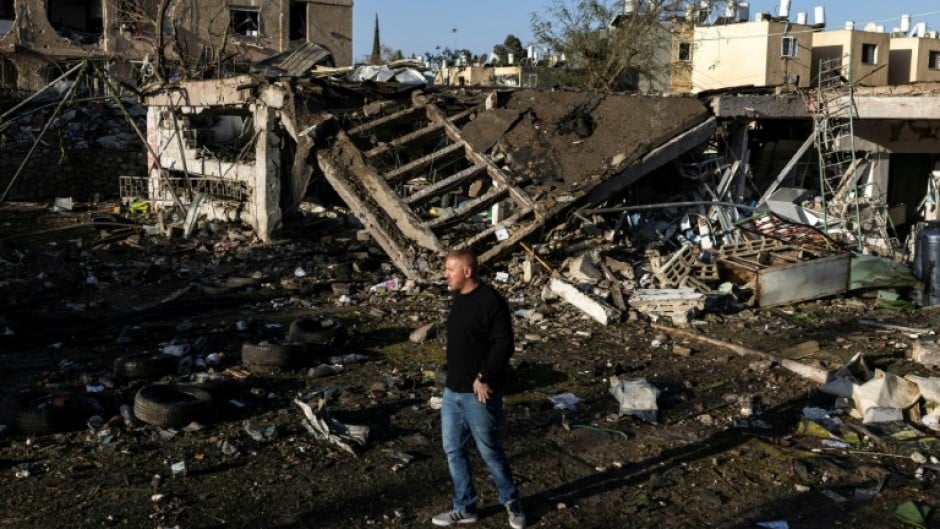
Tensions in the Middle East have surged to a dangerous new level as Iran issues stark warnings of retaliation involving the destruction of power plants and critical energy infrastructure.
The unfolding crisis reflects a deepening confrontation between Iran and the United States, with both sides exchanging threats that could have far-reaching consequences for global stability and energy security.
Iran has warned that it will completely close the Strait of Hormuz if the US attacks its power plants, following a 48-hour ultimatum from Donald Trump to reopen the vital waterway.
The Strait is a critical route for global oil shipments, and any disruption could have severe economic and geopolitical consequences.
Iran’s Revolutionary Guards have made it clear that any strike on its energy facilities would trigger a broader regional response, including potential attacks on power plants and energy systems in Gulf countries, particularly those hosting US military bases.
The warning underscores a shift in strategy, where civilian-linked infrastructure is increasingly seen as a target in modern warfare.
The global implications are profound. The Strait of Hormuz, through which roughly a fifth of the world’s oil supply passes, remains at the heart of the standoff.
Iran has threatened to close the waterway entirely if its energy infrastructure is attacked, a move that could send oil prices soaring and disrupt global markets. As the deadline set by Washington looms, the world watches anxiously.
The stakes extend far beyond the Middle East, touching on global energy supplies, economic resilience, and the broader rules governing conflict.
Whether this confrontation leads to open warfare or a last-minute diplomatic breakthrough remains uncertain, but the warning signs are unmistakable: the targeting of power plants and critical infrastructure could mark a dangerous turning point in modern conflict.
Sub-Editor : Sekgala Mokgadi