
The University of Fort Hare has shut down its Alice campus, and suspended all academic and administrative operations after students protests turned violent, with fires destroying several buildings and two students hospitalized.
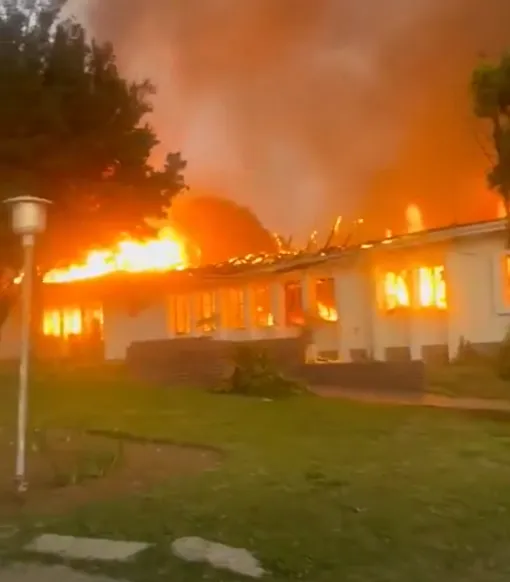
The unrest began following announcements to appoint an interim Student Representative Council (SRC) during amendments to the student governance constitution, which many students argued that it disregarded their voices. The situation escalated quickly — key buildings including administrative offices, the agricultural building, student affairs building, and a newly built clinic were torched in what UFH management described as coordinated acts of arson.
The University leadership cited property damage estimated between R250 million – R500 million, however, the full extent of the damages is still being assessed. Two students are receiving treatment for injuries sustained during clashes with law enforcements.
Students were ordered to vacate the campus by 5 pm on the next day, as safety concerns grew. Student organizations state that the protests were driven by more than just governance changes — many cite long-standing issues of campus safety, responsiveness from administration, and transparency in student representation.
The minister of Higher Education, Buti Manamela condemned the violence and property damage, calling for calm and a de-escalation plan involving all stakeholders, including student leaders, security, and university management.
The shutdown at Fort Hare marks another serious chapter in student unrest in South Africa. Beyond the immediate damage and disruption, the protest highlights deeper tensions about governance, student voice and responsibility. As attention now turns to rebuilding and restoring trust, many are watching to see whether university leadership will engage openly with student concerns — and how quickly learning can resume in a safe and inclusive environment.
Editor: Thibela Thandeka