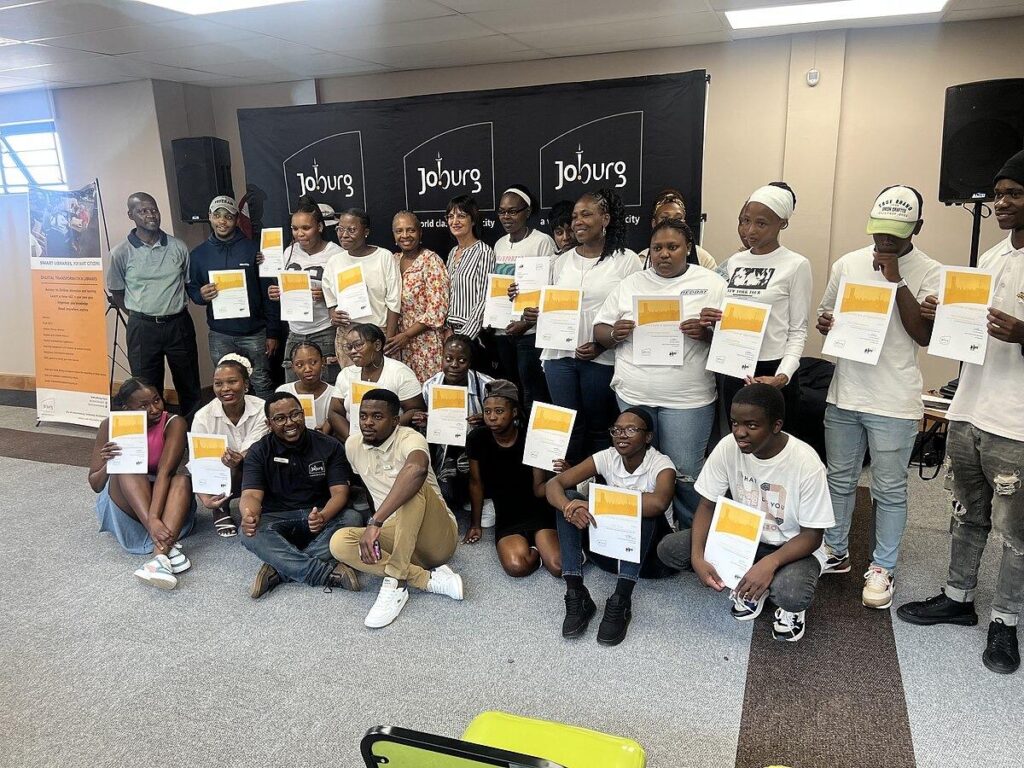

South Africa has introduced Digital Literacy Day, led by the Library and Information Association of South Africa (LIASA) in partnership with (United Nations Educational, Scientific and Cultural Organization) UNESCO, to equip citizens with essential digital skills.
The day is observed annually on the last Friday of Global Media andInformation Literacy (GMIL) Week, with the first celebration held on 25 October 2024. This initiative istargeted at disadvantaged communities that still face barriers such as limited internet access and a lack of affordable devices, with the aim of closing the digital divide.
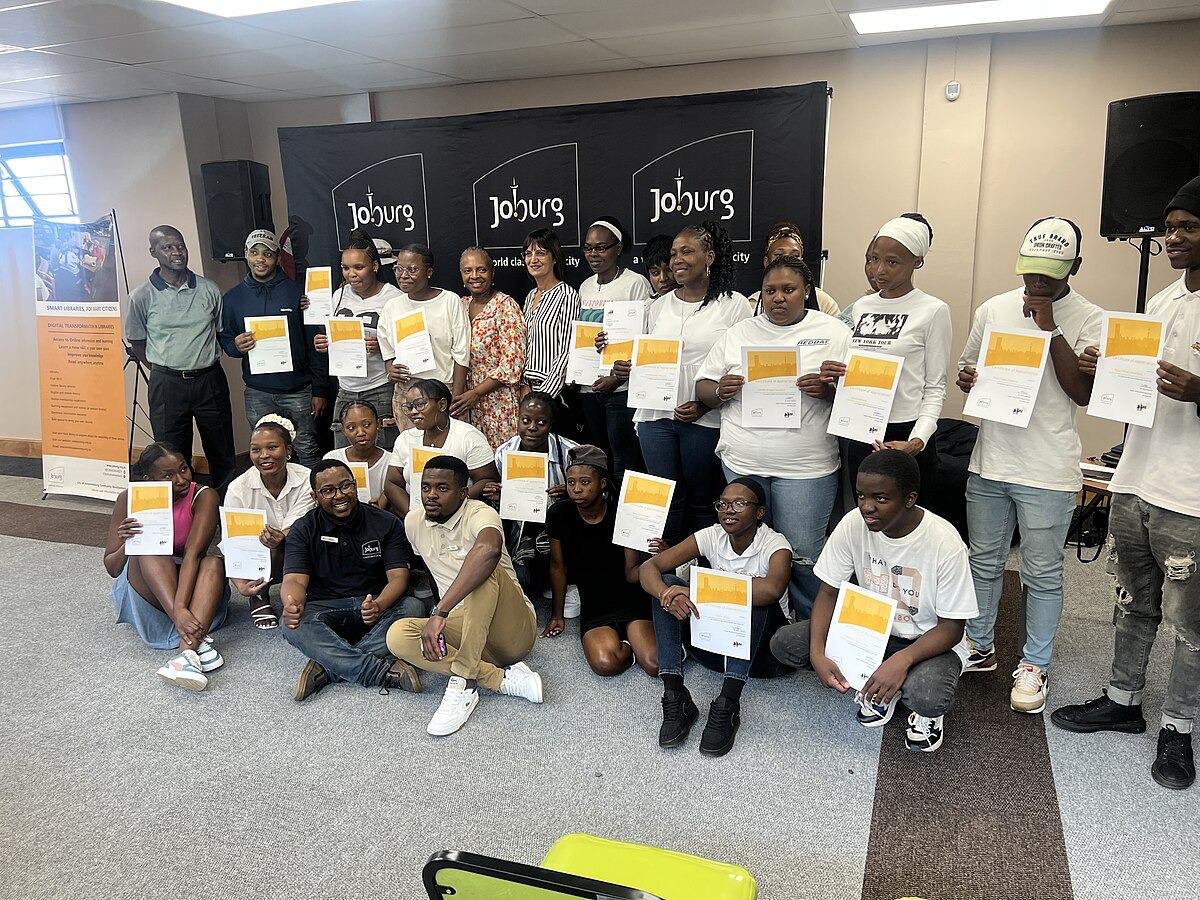
Workshops and training sessions are held across schools, libraries, and community centres, teaching participants how to navigate devices and apps, protect themselves from online scams, access e-learning and job opportunities, and identify misinformation. The focus is on practical skills that can be applied immediately, giving both young people and older generations the tools to connect, learn, and thrive in a digital society.
Although Digital Literacy Day marks an important step forward, experts emphasise that long-term investment in digital education is necessary. Partnerships with tech companies, government support for community centres, and affordable internet access will be crucial to sustain progress. As South Africa moves into an era shaped by Artificial Intelligence (AI), 5G and smart technologies, digital literacy will remain a cornerstone for inclusive and fair development.
In closing, Digital Literacy Day is more than just a once-a-year event. It is a call to action for South Africa to embrace a future where no one is left behind in the digital world. By empowering citizens with the knowledge and skills to participate fully online. South Africa not only bridges the digital divide but also builds a stronger, more inclusive society. The success of this initiative will depend on continued collaboration between communities, government, and private sectors, ensuring that digital opportunities are accessible to all.
Subeditor- Matlala Kgaugelo