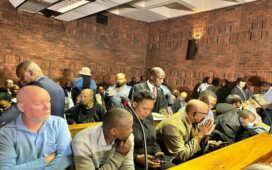

South Africa will be issuing a further investigation into the death of iconic anti-apartheid figure Steve Biko in 1977 under police custody, according to the state prosecutor. The investigation will be formally registered in court on Friday, marking the anniversary of Biko’s death nearly half a century ago.
Although authorities have come under fire for taking so long, South African officials have recently begun new inquests into the deaths of other anti-apartheid leaders and activists who perished in questionable circumstances or while in police custody during the brutal system of racial segregation. These include the death of Nobel Peace Prize winner Albert Luthuli (1967), the killing of lawyer Griffiths Mxenge (1981), and the Cradock Four activists murdered in 1985.
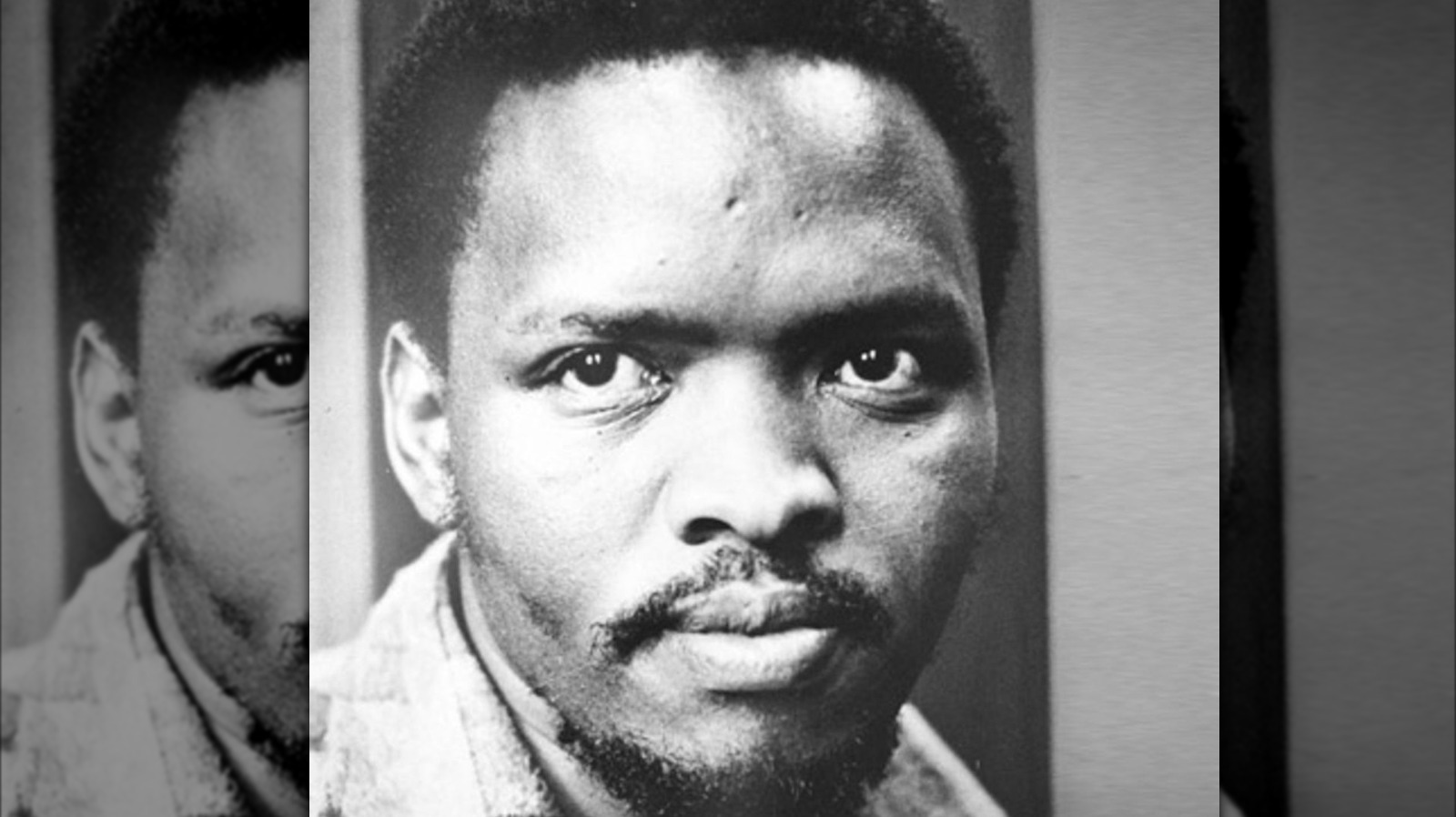
In the 1960s, Steve Biko was at the forefront of the Black Consciousness Movement, which emerged in South Africa in opposition to the apartheid regime. In August 1977, apartheid security forces detained him near the south coast town of Grahamstown. The notorious police Special Branch allegedly tortured and beat him while he was shackled and naked at a police station and later at police headquarters. At the age of 30, Steve Biko faced a tragic fate. On September 11, 1977, after more than 20 days in custody, he was loaded into a police van and driven more than 1,000 kilometres to a prison hospital while unconscious. He died the following day, still shackled, and barely clothed.
The cause of death was reported as brain injuries and kidney failure. However, an investigation at the time—widely dismissed as a cover-up—claimed that Biko had banged his head against a wall during a tussle with police officers. Inquests during that period exonerated security forces of any blame, even as dozens of activists died in police custody under apartheid. In 1994, the same year apartheid was formally abolished, South Africa established the Truth and Reconciliation Commission to examine these atrocities. While some police officers received amnesty, many did not.
In the years following, very few perpetrators of murders and other crimes were brought to justice, and successive governments have been criticized for allowing these cases to fall through the cracks. President Cyril Ramaphosa has since announced an inquiry into claims that investigations were deliberately obstructed. The Cradock Four were believed to have been kidnapped, tortured, and murdered by police 40 years ago. Yet the officers involved all died without ever facing charges, despite a new inquiry into their deaths being opened in June.
Whether any of the police personnel involved in Biko’s death are still alive remains unknown. The current inquiry into his death, 48 years later, is an attempt “to address the atrocities of the past and assist in providing closure to the Biko family and society at large,” the National Prosecuting Authority said. Steve Biko’s legacy continues to resonate globally. He was portrayed by actor Denzel Washington in the 1987 film Cry Freedom, and his story inspired the iconic anti-apartheid song Biko by musician Peter Gabriel.
Sub-Editor : Ntabe Tracy